


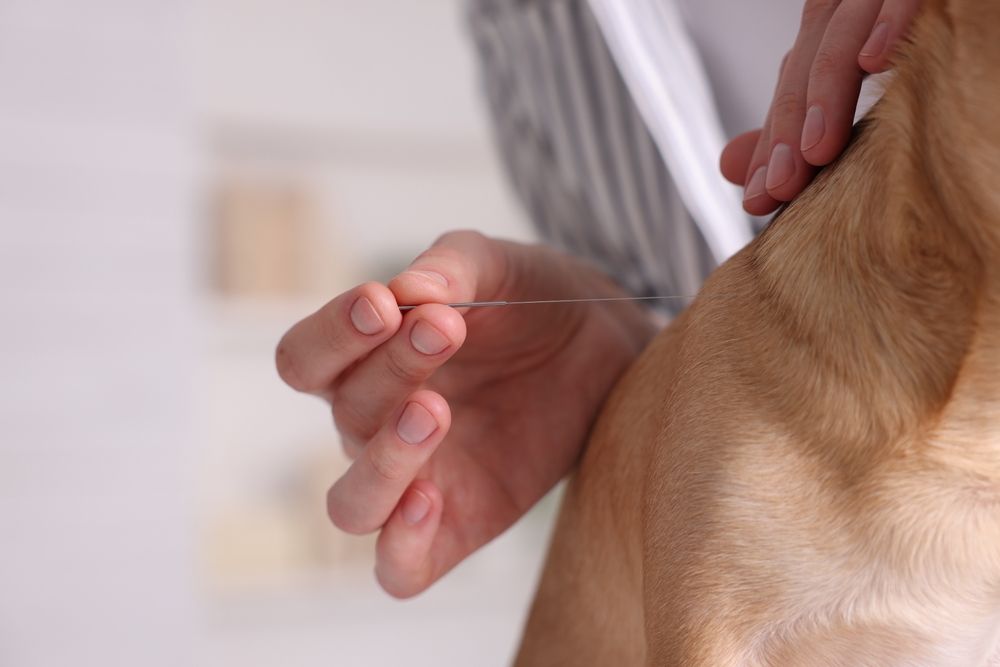
As veterinary medicine continues to evolve, innovative therapies are offering new hope for dogs suffering from chronic pain, degenerative conditions, and certain inflammatory diseases. One of the most promising advancements is canine stem cell therapy - a regenerative treatment designed to repair damaged tissue and improve your dog’s quality of life. At Highland Veterinary Clinic, we are committed to providing advanced treatment options that support long-term health and comfort.
What Is Canine Stem Cell Therapy?
Stem cell therapy is a form of regenerative medicine that uses your dog’s own stem cells - typically harvested from fat tissue - to help repair damaged joints, ligaments, tendons, and other tissues.
Stem cells are unique because they have the ability to:
- Reduce inflammation
- Stimulate tissue repair
- Promote healing in damaged areas
- Improve mobility and comfort
Unlike medications that primarily manage symptoms, stem cell therapy works at a cellular level to support the body’s natural healing process.
Conditions Stem Cell Therapy May Help Treat
While research is ongoing, stem cell therapy has shown encouraging results for dogs with:
- Osteoarthritis
- Hip dysplasia
- Cruciate ligament injuries
- Chronic joint inflammation
- Degenerative joint disease
- Certain autoimmune or inflammatory conditions
Dogs suffering from chronic pain or limited mobility due to arthritis are often strong candidates for this therapy.
What to Expect During the Procedure
Understanding the process can help you feel confident about pursuing this treatment for your pet.
- Initial Consultation and Evaluation: Your veterinarian will perform a thorough exam and may recommend diagnostic imaging to determine whether stem cell therapy is appropriate. Not every dog is a candidate, and your pet’s overall health will be carefully assessed.
- Stem Cell Collection: If your dog qualifies, a small amount of fat tissue is surgically collected while your pet is under anesthesia. Fat tissue contains a rich supply of stem cells.
- Processing the Cells: The collected tissue is processed to isolate and concentrate the stem cells.
- Injection Into the Affected Area: The concentrated stem cells are then injected directly into the affected joint or injured tissue. In some cases, intravenous administration may also be recommended.
Recovery and Aftercare
Most dogs return home the same day or shortly after the procedure. Mild soreness at the collection site is possible but typically resolves quickly.
You can expect:
- Restricted activity for a short period
- Gradual improvement over weeks to months
- Follow-up visits to monitor progress
Improvement is not always immediate. Because stem cell therapy stimulates healing, noticeable changes often occur gradually over several weeks. Many pet owners report improved mobility, reduced pain, and increased activity levels.
Benefits of Stem Cell Therapy
Stem cell therapy offers several potential advantages:
- Minimally invasive compared to orthopedic surgery
- Reduced reliance on long-term pain medications
- Uses your dog’s own cells, lowering risk of rejection
- Addresses inflammation at its source
For some dogs, this therapy can significantly improve comfort and extend active years.
Take the Next Step at Highland Veterinary Clinic
Canine stem cell therapy represents a powerful advancement in veterinary medicine, offering hope to dogs struggling with chronic joint pain and degenerative conditions. By harnessing the body’s natural healing abilities, this innovative treatment may improve mobility, reduce discomfort, and enhance your dog’s overall quality of life. If your dog is experiencing stiffness, limping, or signs of chronic pain, early intervention can make a significant difference.
To learn whether stem cell therapy is right for your dog, contact Highland Veterinary Clinic to schedule a consultation. Visit our office in Evansville, Indiana, or call (812) 710-4300 to book an appointment today.
