


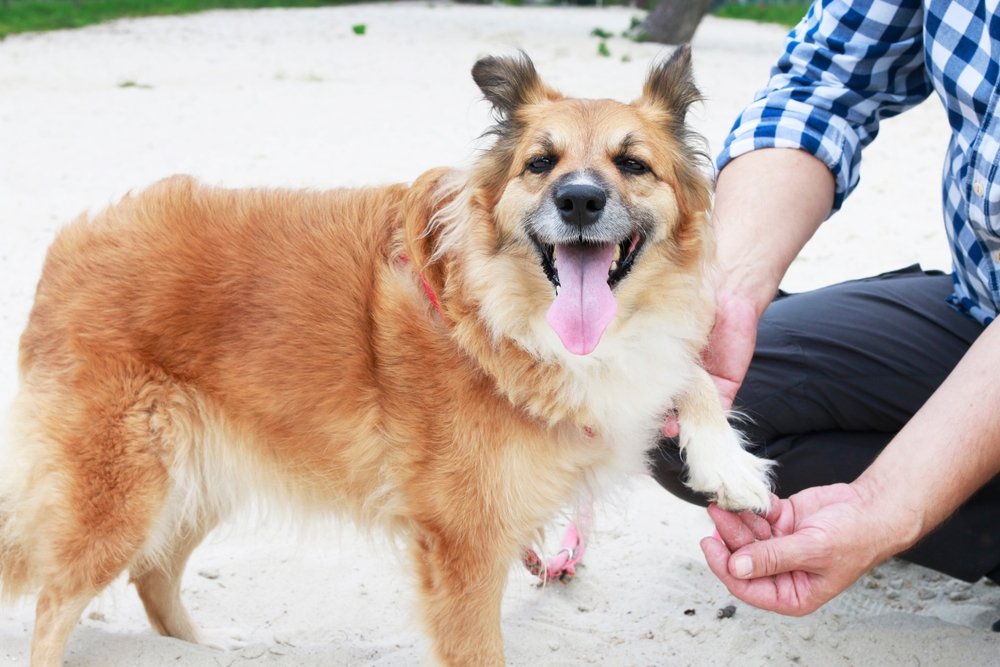
Fall in Evansville often brings cooler temperatures, damp mornings, and changing weather patterns. For dogs with arthritis, previous injuries, or age-related joint changes, this season can make stiffness and mobility problems seem more noticeable. While damp weather itself does not necessarily cause arthritis, changes in temperature, activity levels, and joint sensitivity can contribute to discomfort in dogs already dealing with orthopedic issues.
At Highland Veterinary Clinic, we encourage pet owners to pay attention when a dog suddenly seems slower, hesitant, or uncomfortable. Identifying joint pain early gives us more opportunities to improve comfort and protect mobility without immediately turning to surgery.
Why Joint Problems May Become More Noticeable In Fall
Dogs often change their routines when Evansville weather becomes cooler and wetter. Walks may become shorter, outdoor play may decrease, and dogs may spend more time resting indoors. Less movement can allow already-stiff joints to feel even tighter.
Dogs with osteoarthritis can also experience inflammation and reduced range of motion. Older dogs are particularly vulnerable, but joint discomfort can affect younger pets with previous injuries, orthopedic conditions, or certain breed-related risk factors.
Weather changes are not the only explanation for new stiffness. A veterinary examination is important because limping or reluctance to move can also result from ligament injuries, muscle problems, spinal conditions, or other medical concerns.
Signs Your Dog May Be Experiencing Joint Pain
Some dogs clearly limp, while others show much subtler behavioral changes. Evansville pet owners should watch for signs such as:
Difficulty standing up after sleeping or resting
Hesitation before climbing stairs or jumping
Shorter walks or less interest in playing
Stiffness that seems worse after inactivity
Changes in posture, gait, or willingness to be touched
A dog slowing down should not automatically be dismissed as normal aging. We can evaluate the joints, muscles, and overall mobility to help determine what is causing the change.
Non-Surgical Joint Pain Management For Dogs
Treatment depends on the underlying condition, the dog's age, and the severity of the discomfort. Many dogs can benefit from a multimodal approach that combines several non-surgical strategies.
Weight management can be especially important because excess body weight increases stress on joints. Appropriate exercise may also help maintain muscle strength and joint movement without placing unnecessary strain on painful areas. Depending on the individual dog, medications, nutritional support, activity modifications, or other therapies may also be recommended.
At Highland Veterinary Clinic, we also offer progressive options including therapeutic cold laser therapy. Cold laser therapy may be incorporated into a treatment plan to support comfort and mobility in pets with certain musculoskeletal conditions.
Our regenerative medicine options include point-of-care stem cell therapy and platelet-rich plasma therapy. These treatments are not appropriate for every patient, so we evaluate each dog's condition before determining whether regenerative medicine should be considered.
Keeping Your Dog Moving Through An Evansville Fall
Small adjustments at home can make daily movement easier. Providing good traction on slippery floors, maintaining regular controlled activity, using comfortable bedding, and preventing excessive jumping can all help support a dog with sensitive joints.
More importantly, persistent stiffness deserves veterinary attention. Changes that appear during damp fall weather may reveal an underlying orthopedic condition that should be properly diagnosed rather than simply attributed to the season.
If your dog is moving more slowly, showing signs of joint pain, or struggling with fall stiffness, contact Highland Veterinary Clinic in Evansville, Indiana, at (812) 710-4300. Visit us at 6805 Darmstadt Road, Evansville, IN 47710, to discuss non-surgical options for supporting your dog's comfort and mobility.
