


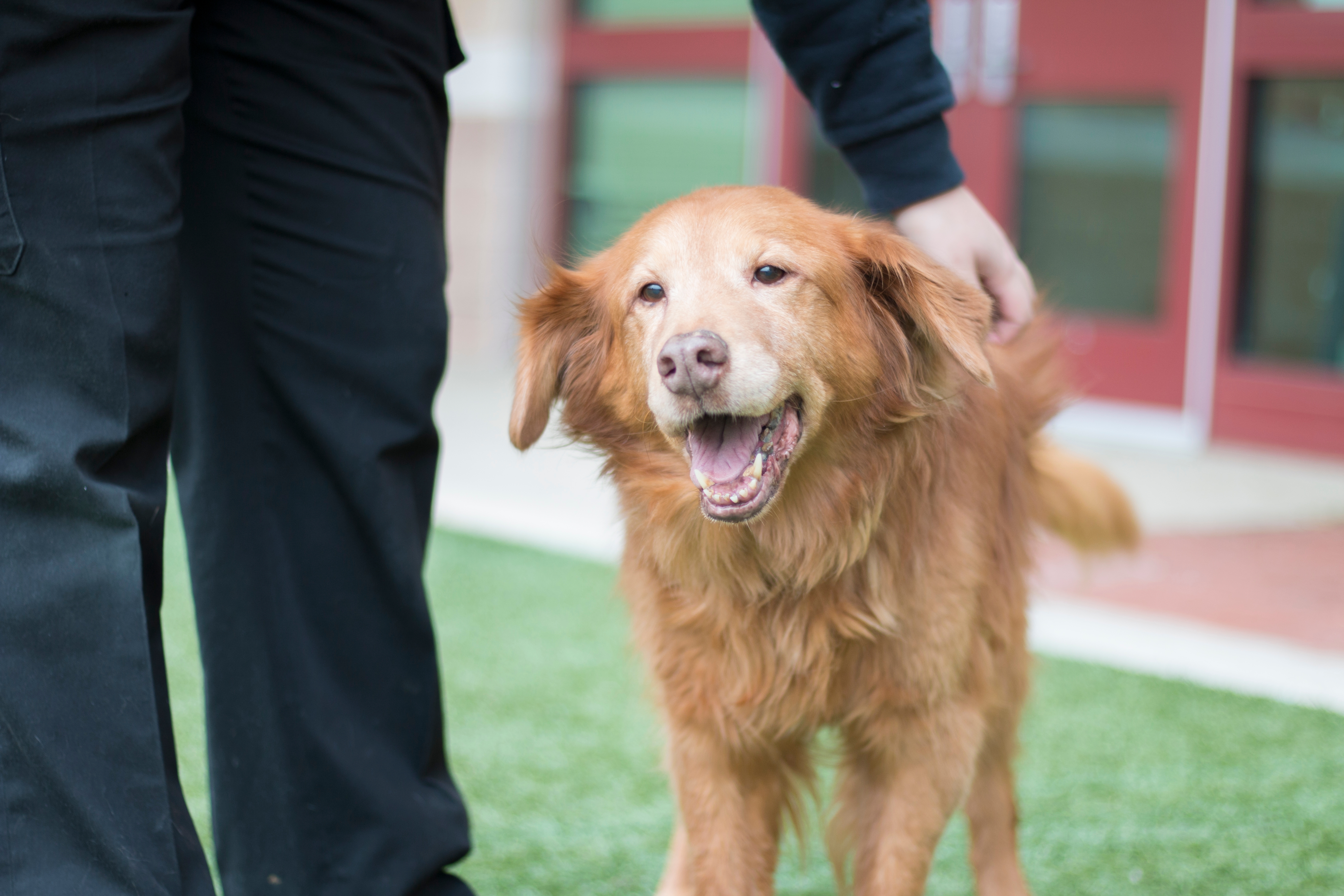
Summer in Evansville can be hard on senior dogs. Hot weather, humidity, and longer days outside may make stiffness, arthritis, and fatigue more noticeable. If your dog is slower to get up, hesitates on walks, or seems uncomfortable after activity, it may be time to look beyond basic rest and pain management. At Highland Veterinary Clinic, regenerative medicine offers an advanced option to support comfort, mobility, and healing in aging pets.
Why Senior Dogs Struggle More In The Heat
Older dogs often have less stamina than they did when they were younger. Joint stiffness, muscle loss, arthritis, old injuries, and inflammation can all make summer activity more challenging. In Evansville’s warmer months, heat adds another layer of stress. Dogs may tire faster, pant more, or avoid movement because their bodies are working harder to stay cool.
Some pet owners notice their senior dog seems fine indoors but struggles after a short walk, time in the yard, or climbing stairs. This does not always mean your dog should stop being active. It may mean their body needs support to move more comfortably.
What Is Regenerative Medicine For Pets?
Regenerative medicine is a veterinary approach that uses the body’s natural healing factors to support damaged or inflamed tissues. At Highland Veterinary Clinic, regenerative medicine options include stem cell therapy and platelet-rich plasma therapy, also called PRP.
PRP uses a pet’s own blood plasma, which contains concentrated platelets and growth factors. These healing factors may be introduced around an injured joint, tendon, inflamed area, or wound to support tissue repair and reduce inflammation. Stem cell therapy is another regenerative option that may be discussed for certain chronic or degenerative conditions.
How Regenerative Medicine Helps Senior Dogs
For senior dogs, regenerative medicine is often considered when pain, inflammation, or mobility problems are affecting daily life. It may be helpful for dogs with osteoarthritis, joint discomfort, soft tissue injuries, tendon irritation, or other chronic inflammatory concerns.
The goal is not to make an older dog act like a puppy again. The goal is to support better comfort, improvequality of life, and help your pet stay active in a safe and realistic way. For many Evansville families, that might mean easier walks, less stiffness after resting, or more comfort with normal daily movement.
Signs Your Dog May Need A Mobility Evaluation
Senior dogs are good at hiding discomfort, so changes may appear gradually. A veterinary exam can help determine whether your dog’s symptoms are related to arthritis, injury, inflammation, weight, neurologic changes, or another health concern.
Watch for signs such as:
- Limping or favoring one leg
- Trouble standing after lying down
- Stiffness after walks or play
- Hesitation with stairs, furniture, or car rides
- Less interest in activity
- Irritability when touched near joints
- Slower movement in hot weather
- Panting or fatigue during mild activity
If these signs are becoming more frequent, your dog may benefit from a senior pet evaluation.
Why A Personalized Plan Matters
Not every senior dog is a candidate for regenerative medicine. Your veterinarian will need to evaluate your pet’s age, health history, diagnosis, mobility, pain level, and overall condition. Some dogs may benefit from PRP, stem cell therapy, medication, weight management, supplements, laser therapy, physical activity changes, or a combination of care.
At Highland Veterinary Clinic in Evansville, the team focuses on progressive veterinary care that fits each pet’s needs. A personalized plan helps ensure treatment is appropriate, safe, and focused on your dog’s comfort.
Keeping Senior Dogs Comfortable In Summer
Regenerative medicine works best when paired with smart summer habits. Walk your dog during cooler parts of the day, avoid hot pavement, provide plenty of fresh water, and keep outdoor activity short when humidity is high. Soft bedding, ramps, traction rugs, and a healthy weight can also reduce daily strain on aging joints.
If your senior dog seems painful, unusually tired, weak, or unable to cool down, contact your veterinarian promptly. Heat stress and mobility problems should always be taken seriously in older pets.
Schedule your senior pet mobility and regenerative medicine consultation with Highland Veterinary Clinic at 6805 Darmstadt Rd., Evansville, IN 47710. Call (812) 710-4300 to book your appointment.
