


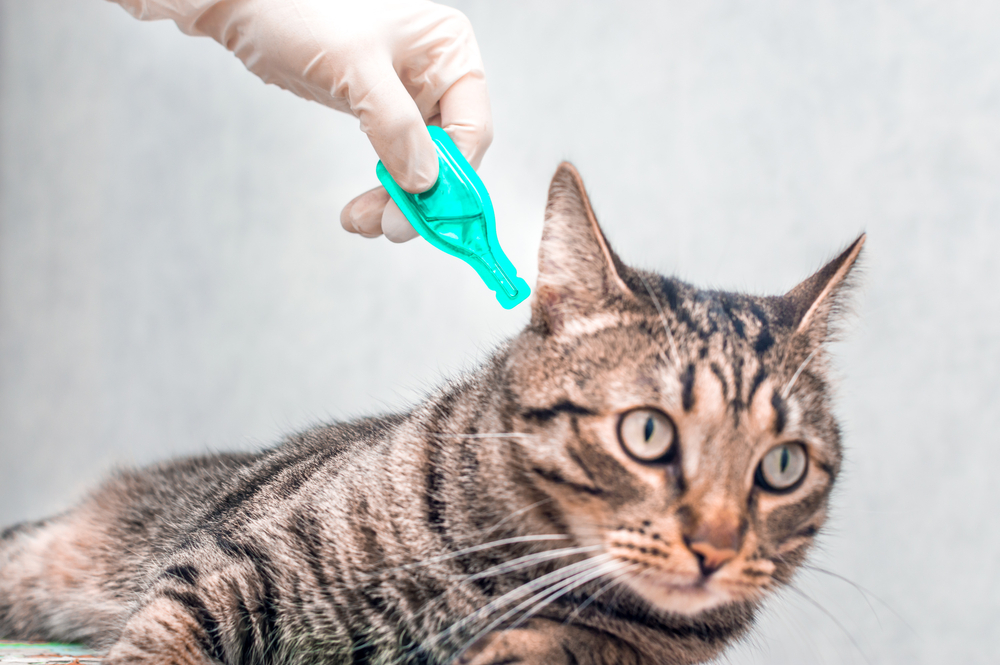
Parasites are more than a seasonal nuisance. Fleas, ticks, and heartworms can create serious health problems for dogs and cats, and exposure does not always follow a predictable calendar. For pet owners throughout the Tri-State area, year-round parasite prevention helps maintain consistent protection instead of leaving gaps when weather and parasite activity change.
At Highland Veterinary Clinic, we include parasite prevention as an important part of ongoing preventive care. The right plan depends on your pet's species, age, lifestyle, health, and individual risk factors.
Why Parasite Prevention Should Continue All Year
It can be tempting to stop flea, tick, or heartworm prevention once temperatures cool. However, parasite exposure can still occur during unexpected warm periods, while traveling, around other animals, or inside the home.
Consistent protection is especially important because missing doses or delaying treatment can leave your pet vulnerable. Staying on a veterinarian-recommended schedule provides more reliable coverage throughout the year.
What Fleas, Ticks, and Heartworms Can Do
Different parasites create different risks for your pet. Fleas can cause persistent itching, skin irritation, flea allergy dermatitis, and even anemia in severe cases. Ticks can transmit infectious diseases, while heartworms can damage the heart, lungs, and surrounding blood vessels.
Signs of parasite-related problems may include:
• Excessive scratching, licking, or biting at the skin
• Hair loss or irritated skin
• Visible fleas or ticks
• Fatigue or reduced activity
• Coughing or difficulty exercising
• Changes in appetite or overall behavior
Some pets may show few noticeable symptoms early on. Preventing parasites before they cause illness is often much easier than treating the complications they can create.
Heartworm Risk in the Tri-State Area
Heartworms are transmitted through mosquito bites. Because mosquito activity and weather conditions can vary throughout the Tri-State, predicting exactly when exposure will occur is difficult.
Regular heartworm prevention provides continuous protection rather than relying on seasonal estimates. Dogs should also receive appropriate heartworm testing as recommended by their veterinarian. Cats can be affected by heartworms as well, so we can help determine which preventive approach is appropriate for each pet.
Choosing the Right Parasite Prevention
There is no single parasite prevention plan that fits every animal. Dogs and cats have different medication needs, and factors such as outdoor activity, travel, exposure to wildlife, and other pets can affect which products are appropriate.
During your pet's preventive care visit, we can evaluate these risks and recommend flea, tick, and heartworm protection that is practical for your household. We can also help you establish a consistent schedule so doses are less likely to be missed.
Schedule an appointment with Highland Veterinary Clinic to keep your pet protected with a personalized year-round parasite prevention plan. Contact our office in Evansville, IN by calling (812) 710-4300 today.
